
- Start with search campaigns on keywords with clear purchase intent.
- Use negative keywords to exclude irrelevant searches.
- Send the ad to a dedicated landing page, not your home page.
- Enable conversion tracking (calls, WhatsApp, forms) before spending.
- Review the search terms report weekly and refine.
SEO takes months; Google Ads puts you at the top of the results tomorrow. The difference is that you pay for every click, so every set-up mistake has a direct price. This guide is for a business owner who wants to start smart.
Why search ads in particular?
Someone typing “cold room maintenance in Cairo” or “CCTV company Riyadh” has a need right now. Search ads capture that intent, unlike social ads, which interrupt people while they’re browsing.
Building your first campaign, step by step
- Goal: calls? WhatsApp messages? Quote requests? Define it and measure it.
- Tracking: conversion tracking in Google Ads or through GA4 before any spending. Read our GA4 guide.
- Location: only the cities you actually serve.
- Keywords: phrases with clear intent (“… company”, “… price”, “… in Riyadh”), on phrase or exact match to begin with.
- Negative keywords: “free”, “jobs”, “course”, “download”, depending on your business.
- Ads: headlines containing the service, the city and a clear benefit, plus assets (call, location, sitelinks).
- Landing page: dedicated to the service. Read landing pages.
- Scheduling: times when your team can respond.
The metrics that matter
| Metric | What it means |
|---|---|
| Cost per conversion | How much you pay per real enquiry — the most important |
| Conversion rate | The quality of the landing page and the match |
| Click-through rate (CTR) | How appealing and relevant the ad is |
| Quality Score | Google’s rating of relevance and experience |
Mistakes that burn your budget
- Leaving the “Display Network” switched on in a search campaign.
- Broad match without negative keywords.
- Sending visitors to the home page.
- Not tracking phone calls and WhatsApp.
- Not reviewing the actual “search terms”.
Account structure: how should you organise campaigns?
A common mistake is putting every service into one campaign and one ad group. Better: a campaign for each main service or region, ad groups for each cluster of closely related keywords, ads that match each group’s keywords, and a dedicated landing page for each service. This structure increases relevance between what the person searched for, the ad and the page, so Quality Score rises, cost per click falls, and it becomes easy to see which service is most profitable. Start small, with one or two campaigns for your most important services, before expanding.
Negative keywords: save your budget
Negative keywords stop your ad appearing for searches that don’t suit you. A web design company doesn’t want to appear for people searching for “free website design”, “web design course” or “web designer jobs”. Review the search terms report weekly at first, and add every irrelevant phrase as a negative. This simple habit alone can save a large share of wasted budget.
Search ads for the Saudi market
Saudi searchers search in Arabic and English, and sometimes a mix of both. Create ads in both languages, target the cities you actually serve, and allow for search timing (evenings are usually busy, and Ramadan changes the patterns). In regulated sectors such as health, real estate and finance, review Google’s advertising policies and local regulations before launch. And don’t forget to add your phone number, location assets and sitelinks to the ad; they enlarge the ad and increase clicks.
When do you need a specialist?
You can run a simple campaign yourself if you set aside time each week to follow it up. But as the budget grows and services and regions multiply, professional management becomes better value: continuous ad testing, bid adjustments, conversion analysis and page improvements. The rule: if ads take more than a few hours of your time each week or exceed a significant budget, weigh the value of your time and the potential mistakes against the cost of a specialist.
From our work
We set up landing pages and tracking before any campaign, because half of an ad’s success happens after the click. Read landing pages and social media ads.
Tracking: don’t advertise without it
Before your first campaign, set up conversion tracking: form submissions, WhatsApp clicks, calls from the ad and the website, and purchases in your store. Without it, you’ll judge campaigns on clicks alone, and you may stop a campaign that brings real customers because of a high cost per click while keeping a cheap one that brings nothing. Link Google Ads to GA4 and import conversions, and only switch on smart bidding strategies once enough conversions have accumulated. Read our GA4 guide.
Budget: where do you start?
Start with a daily budget that allows a reasonable number of clicks on your core keywords, for at least a month before judging. Work out the most you can pay to win one customer based on customer value and your profit margin, then compare your actual cost per customer against that limit. If it’s lower, increase the budget gradually. If it’s higher, improve the keywords, ads and page before spending more.
Google Ads and SEO together
Ads bring immediate results; SEO builds lasting visibility. Use your ad data (which keywords convert) to guide your SEO content plan, and use SEO to reduce your reliance on ads over time for keywords where you’ve gained rankings. Read our SEO guide.
Brand ads: do you need them?
Advertising on your own company name may seem unnecessary if you already rank first organically. But it protects you from competitors advertising on your name, gives you full control over the message and links, and usually costs very little because the ad’s relevance is so high. Judge it by your sector: if you see competitors appearing above you when people search for your name, brand ads are worth it.
Performance Max and smart campaigns
Google offers campaign types based on full automation that show your ads across Search, YouTube, the Display Network and Maps. They can be useful for stores and accounts with enough conversion data, but they give you less control over where and how you appear. For small service businesses starting out, standard search campaigns with carefully chosen keywords are usually clearer and easier to control and measure. Move to automated campaigns after you understand what works, not before.
Advertising in the seasons
During Ramadan, Eid, National Day and sales seasons, search rises in some sectors and competition intensifies. Plan seasonal budgets in advance, prepare ads and pages for the occasion, and adjust ad schedules to the different activity patterns during Ramadan. After the season, review the results so you can plan next year on numbers rather than guesswork.
Remarketing
Most visitors to your website don’t get in touch on their first visit. Remarketing campaigns show your ads to people who visited your service pages without contacting you, across the Google Display Network and YouTube, usually at a lower cost and with a higher conversion rate. Make the message different from the first ad: a case study, a limited offer, or a benefit they haven’t seen. Set a sensible frequency cap so the ad doesn’t become a nuisance, and stay within what privacy policies and consents allow.
The golden rule: don’t raise the budget before you know your true cost per customer, and don’t judge a campaign before you’ve gathered enough data.
Our experience with clients’ campaigns
What we notice most often when reviewing companies’ ad accounts: one campaign for every service, broad-match keywords with no negatives, traffic sent to the home page, and no conversion tracking. Fixing those four points alone usually improves results before any increase in budget. Start with a small, focused campaign, learn from its data, then expand only what works. A successful ad starts before the click and ends after the conversation — and every riyal spent deliberately returns a measurable effect.
The bottom line
Successful Google Ads = clear intent + a persuasive landing page + precise tracking + weekly optimisation. Also read our SEO guide to build free visibility alongside, or get in touch.
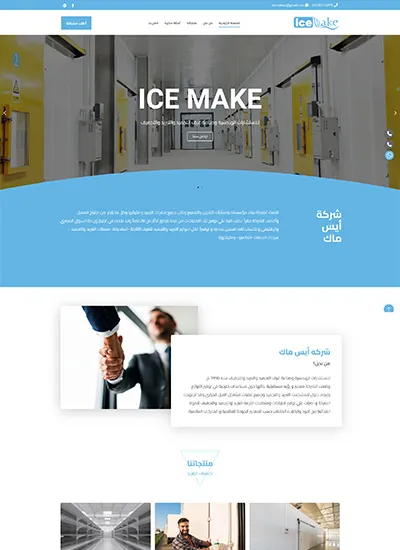
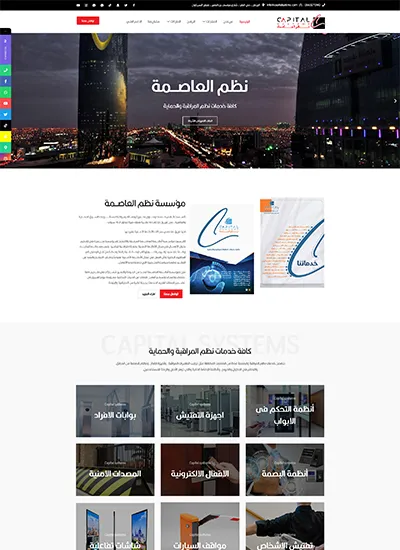
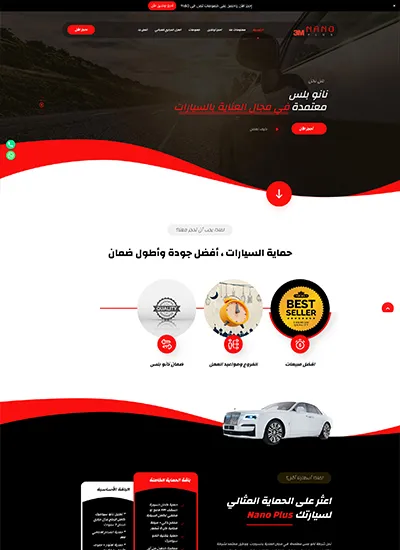
Real projects we delivered
FAQ
What budget should I start with?
Enough to gather reasonable data over 2–4 weeks; it varies with the cost per click in your sector and city. More important than the figure is tracking correctly.
Should I run the campaign myself?
You can for simple campaigns, but setting it up properly from the start saves a lot; much of the waste comes from default settings nobody reviewed.
When will I see results?
Clicks start immediately, but improving cost and quality takes weeks of data and adjustment.
Sources

Written from 20+ years designing websites and identities for clients in Saudi Arabia and Egypt — every tip here comes from real projects.
Want this applied to your project?
Book a free consultation — we will review your site or brand and propose a clear plan.
Book a free consultation