
- Judge by live work, not pictures: open the sites on your phone.
- Ask about the process, the timeline and who will actually work on your project.
- Make sure you will own the domain, hosting, files and admin accounts.
- A good agency asks about your goals before it gives you a price.
- A written contract with a clear scope protects both sides.
Your website is your digital headquarters, and the company that builds it will shape your image and your client numbers for years. With so many options — from freelancers to large agencies — the choice gets confusing. We have gathered 15 questions from more than 20 years in the field, and we encourage you to ask them of us before anyone else.
Part one: experience and portfolio
1. Can I visit live websites you designed?
Images and screenshots can be polished. Open the live sites on your phone and test the speed, menus and forms. A confident agency shows its clients’ links openly — as we do on our client pages, where every client has a page with its story and link.
2. Have you worked in my sector before?
It is not essential, but experience in your sector (contracting, medical, non-profit…) means they know what your customers look for. For example, we designed websites for associations such as Basmat Tafaul and the Sports Excellence Association, so we know the requirements for donations and governance.
3. How long have you been operating, and how many projects have you delivered?
Age alone proves nothing, but it signals stability — and that they will still be around when you need support two years from now.
Part two: the process
4. What are the steps from kickoff to launch?
A good answer includes: a discovery session, a page structure, a first design for review, development, testing, launch and training. If there is no clear process, expect chaos.
5. Who will actually work on my project?
Is there a designer, a developer and a project manager — or will it be handed to a third party?
6. How many revision rounds are included?
Put it in writing to avoid disputes later.
7. What is the timeline, and what do you need from me?
Most delays come from content and images. A good agency tells you early what it needs and when.
Part three: technical questions
8. Which platform will the site be built on?
WordPress suits most company websites because it is easy to manage and has a huge pool of developers. Closed platforms or custom code can tie you to the agency forever. Read the full comparison.
9. Is the site designed mobile-first, and how fast is it?
Ask for a mobile PageSpeed Insights result for one of their projects.
10. What about SEO?
Does the work include heading structure, clean URLs, structured data, an XML sitemap and Search Console setup?
11. Does the site handle Arabic and English properly?
Text direction, fonts, and switching language without losing the current page.
Part four: ownership and after delivery
12. In whose name will the domain be registered?
It must be yours, and you must have access to its account.
13. Will I receive all files and full admin access?
The WordPress administrator account, the hosting, and the source design files.
14. What support is there after launch, and what does maintenance cost?
15. Is there a written contract?
Covering the scope, milestones, payments and what happens if either side is late.
Red flags
| Red flag | Why it should worry you |
|---|---|
| A final price before any question about your needs | It means one ready-made template for everyone |
| “We guarantee you first place on Google” | Nobody can guarantee that |
| No live work | No proof of quality |
| The domain registered in the agency’s name | You lose control of your own website |
| Slow replies before signing | They will be slower afterwards |
How we answer these questions ourselves
Since 2005 we have followed a clear process: a free consultation, a written scope, a design for review, then development, testing and training. The domain and the files are yours, and every site is delivered fast, responsive and ready for search. Learn about our website design service or our story.
How to evaluate a portfolio properly
Most design companies show beautiful work, but beauty alone is not enough to judge. When you review a portfolio, don’t stop at the images: open the live sites yourself on your phone, because many of your visitors will arrive on mobile. Notice the loading speed, how easy the menus are, how clear the Arabic typography is, and whether there are errors or broken links. Look for work in your sector or a close one: an agency that has designed twenty contracting websites understands that sector better than one that has only designed restaurant sites. And ask when each project was done, because work older than five years may not reflect the agency’s current level — for better or worse.
One of the most important signs is that the sites shown are still online and up to date. An agency whose clients’ sites stay live for years usually provides real support after delivery. If you find sites that are down, ask politely why: sometimes the client stopped renewing the hosting, and sometimes the cause is weak support.
Talk to their past clients
Ask the agency for the phone number or email of two past clients with projects similar to yours, and ask them direct questions: Did the agency meet the deadline? How was communication during the project? Were there extra costs not mentioned in the quote? How was support after launch? Would you work with them again? The answer to that last question alone tells you a lot. Agencies that are confident in their work don’t hesitate to provide references.
The contract: clauses you should never sign without
| Clause | Why it matters |
|---|---|
| Detailed scope of work | A list of pages, features and languages so nothing is disputed later |
| Timeline and milestones | With delivery and approval dates for each stage |
| Number of revision rounds | Prevents arguments about what is included |
| Ownership | Domain, website, designs and content in your name |
| Support and warranty | How long bugs are fixed free of charge after launch |
| Payments | Tied to milestones, not fully upfront |
| Handover | Login details, a full backup and a user guide |
A clear contract protects both sides, and a professional agency proposes one before you ask. Read also website design cost and working with a remote agency.
Local agency or remote?
Many companies in Saudi Arabia now work with agencies in other cities or countries, and vice versa. Being close is not a condition for success if communication tools, video meetings and documented stages are well organised. What matters is that the agency understands your market, its language and its audience’s expectations, works hours that overlap with yours, and gives you one account manager who knows your project. Our experience since 2005 with clients in Egypt and Saudi Arabia has taught us that a clear process matters more than distance.
How do you know you chose well after the first two weeks?
The first weeks of a project reveal a lot. A good agency starts with many questions about your business and your clients before showing any design, sends you a clear schedule of stages and dates, assigns one contact person, replies to your messages in reasonable time, and explains its design decisions with business logic rather than personal taste. But if you receive a ready-made design after two days without anyone asking about your audience, if the team disappears for days without an update, or if you start hearing about “extra costs” for obvious things, those are signs worth an early, frank conversation before the project goes further.
And remember: your relationship with a design company doesn’t end at launch. A website needs updates, support and development for years, so choose a partner you are comfortable working with over the long term — not just a contractor for one project.
Quick summary: a ten-point scorecard
Give each shortlisted agency a score from one to five on each point: real work in your sector, fast live sites on mobile, understanding of the Saudi market and the Arabic language, a clear staged process, a detailed contract, full ownership for you, support after launch, past-client references, fast and professional replies, and a sensible price for the scope. The agency with the highest total is not always the cheapest, but it is usually the least risky.
The bottom line
The right company is neither the cheapest nor the most famous, but the one that understands your goals and proves its quality with live work and a transparent process. Use these questions as a comparison checklist, and ask for the answers in writing.
Real projects we delivered
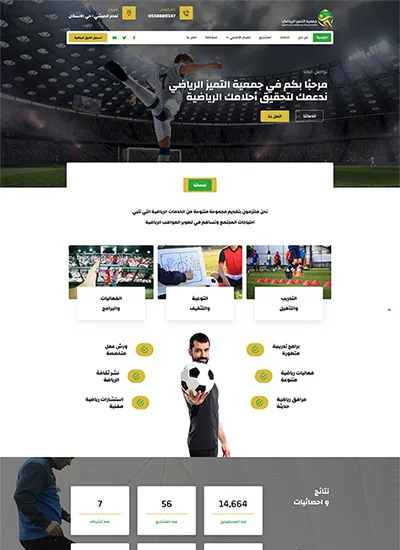
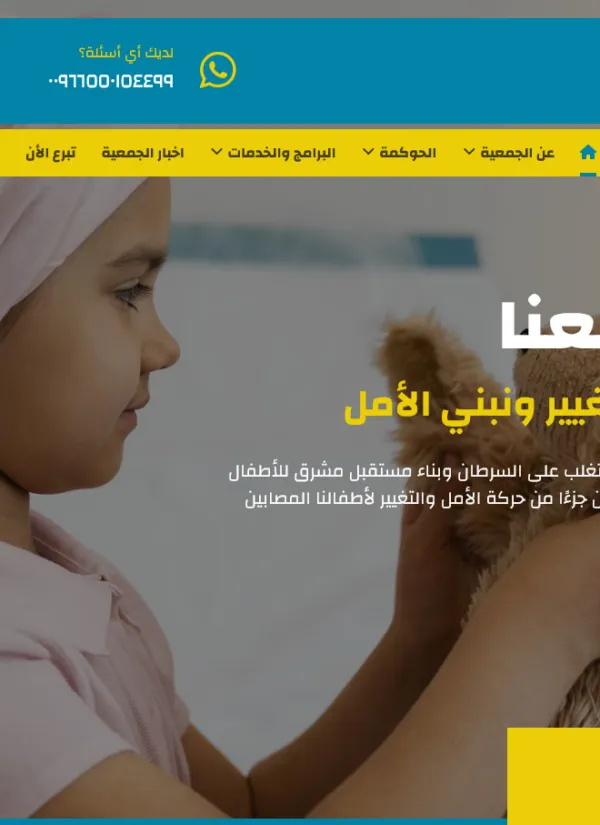
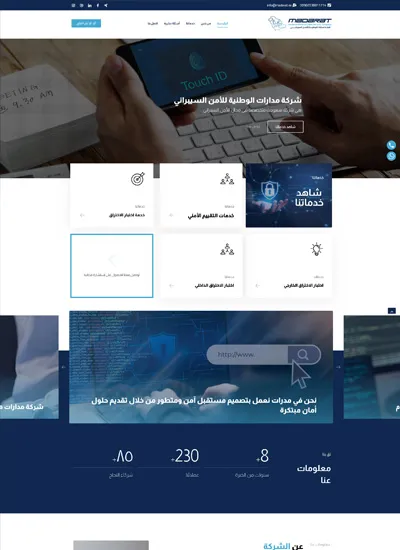
FAQ
Is it better to hire a freelancer or an agency?
A freelancer suits small sites and limited budgets. An agency suits you when you need design, content, development, SEO and ongoing support from one accountable team.
Does the agency need to be in my city?
Not necessarily. We work remotely with many of our clients in Saudi Arabia through Zoom meetings and clear delivery stages. What matters is fast communication and a clear process.
What is the biggest sign of an unreliable agency?
Refusing to give you full admin access, registering the domain in its own name, or having no live work you can visit.
Sources

Written from 20+ years designing websites and identities for clients in Saudi Arabia and Egypt — every tip here comes from real projects.
Want this applied to your project?
Book a free consultation — we will review your site or brand and propose a clear plan.
Book a free consultation