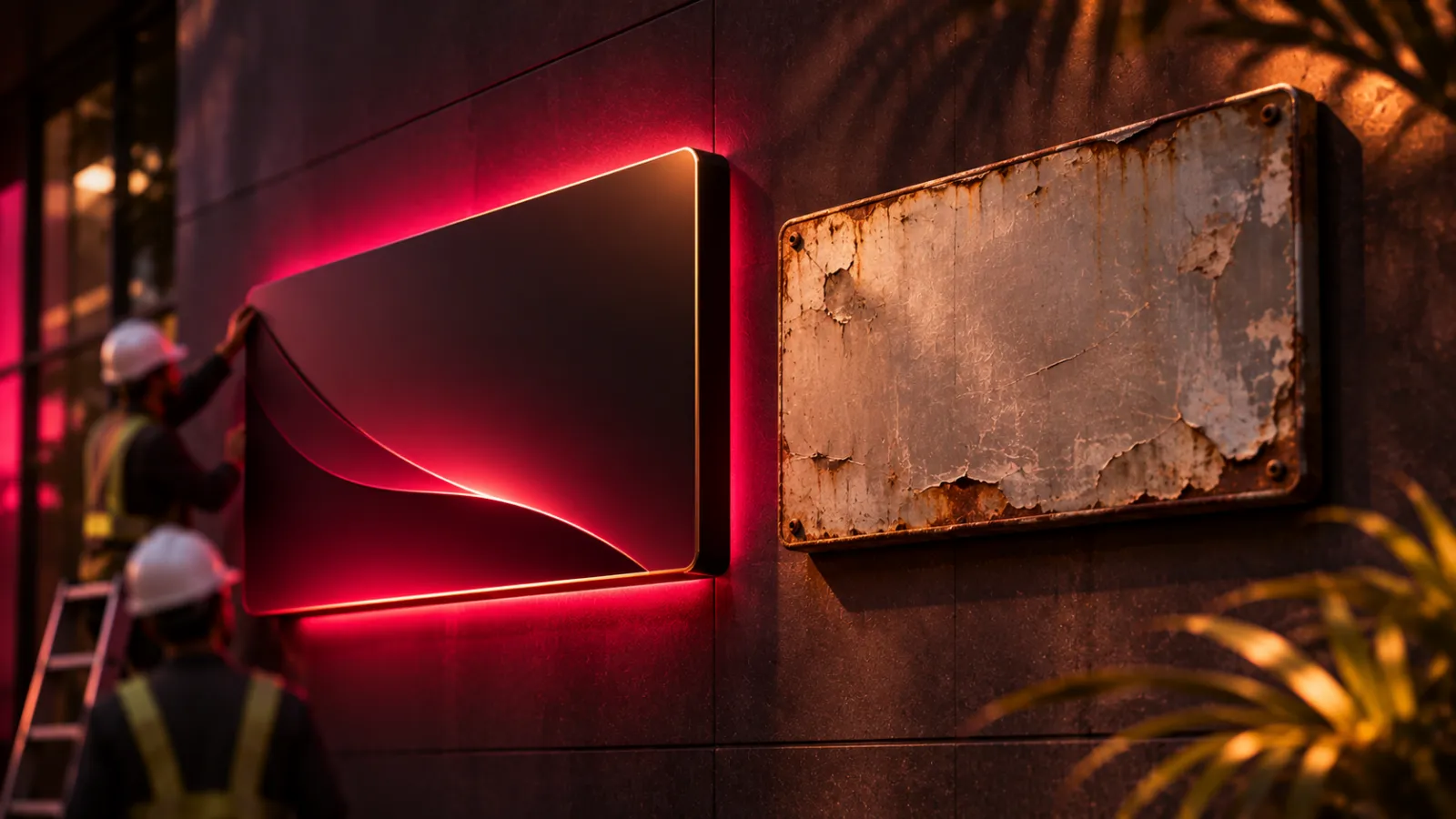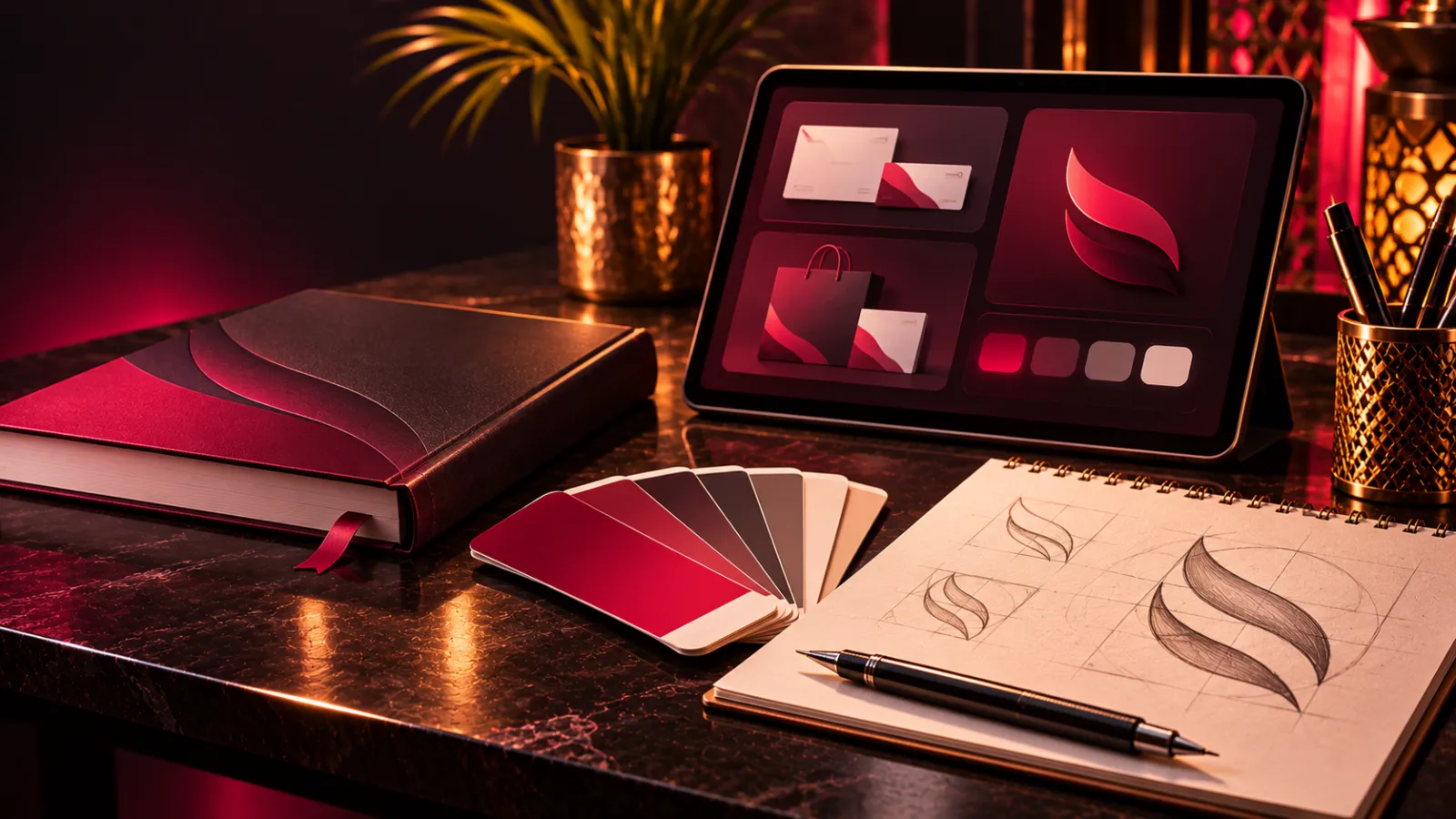
- A logo is a single symbol, a visual identity is a complete system, and a brand is the impression and reputation in the client’s mind.
- You can buy a logo in a day, but a brand is built through experience over time.
- When requesting a quote, be precise: a logo only, a visual identity, or a brand strategy.
- The visual identity is the bridge between the logo and the brand: it makes every communication consistent.
- Legally, “trademark” also means the registered, protected name or logo.
A client calls us and says: “I want a brand for my company.” After a few questions we discover they mean just a logo — or the opposite: they ask for a “logo” when they need a full identity because they’re about to print everything and launch a website. This confusion produces quotes that can’t be compared and mismatched expectations. Let’s set things straight.
The logo
A visual symbol that represents the company: a designed word, an icon, or a combination of both. It’s the “signature” that appears on everything. But on its own it isn’t enough to make every communication consistent. Read the logo design guide.
The visual identity
The complete system built around the logo:
- The logo in all its versions.
- The primary and secondary colour palette.
- Arabic and Latin typefaces and their sizes.
- Graphic elements, patterns and icons.
- The photographic style.
- Applications: print, website, social media, signage, uniforms, vehicles.
- A usage guide explaining the rules.
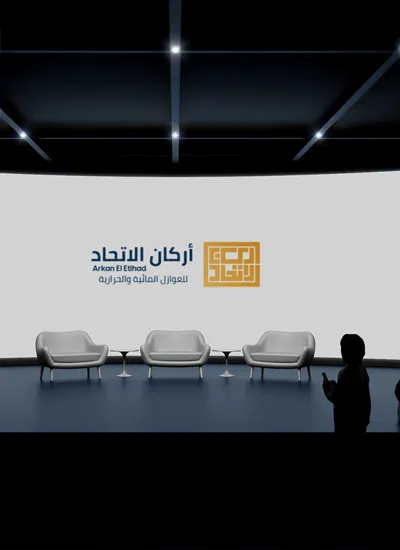
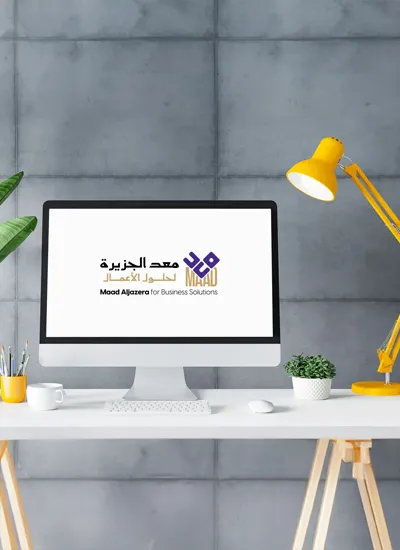
Example: the identities of Maad Al Jazeera Business Solutions and Arkan Al Etihad go beyond the logo to a complete system applied at every touchpoint.
The brand
What people say about you when you’re not in the room. It’s the sum of what you promise, how you deal with people, the quality of your service, your tone of communication and your clients’ experiences — and the visual identity makes all of that visible and memorable. A brand isn’t designed in a week; it’s built through repeated experience.
The complete digital identity
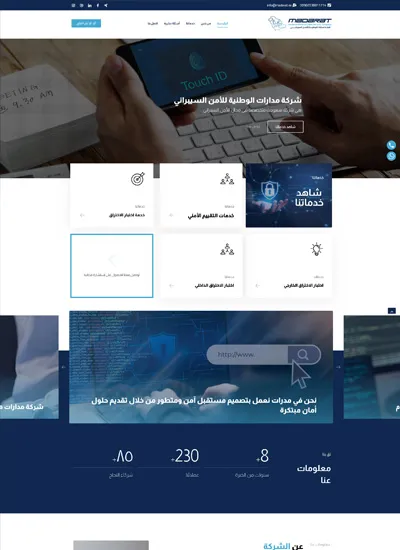
When the visual identity is applied to all the digital assets together — the website, business email, social media, presentations — by one team. That’s how we delivered the Madarat project. Details on the complete digital identity page.
Comparison table
| Logo | Visual identity | Brand | |
|---|---|---|---|
| What is it? | A symbol | A visual system | An impression and reputation |
| Who makes it? | The designer | The design team | The whole company + its clients |
| Timeframe | Days–weeks | Weeks | Years |
| Deliverables | Logo files | Files + applications + guidelines | Strategy, experience and reputation |
| Example question | “Is it readable small?” | “Are all our posts consistent?” | “How do our clients describe us?” |
What does your company need now?
- A new company: a basic visual identity with a strong logo.
- An established company with a haphazard identity: unify the identity and create a usage guide. Read when to redesign your identity.
- A company launching a website and printing materials at the same time: the complete digital identity.
- A large company repositioning itself: a brand strategy, then a new identity.
A practical example: one company at three levels
Imagine a new contracting company in Riyadh. At the first level it needs a logo: a symbol and a name to put on the site hoarding, helmets and vehicles. But a logo alone isn’t enough once the company starts sending quotes, designing a profile, opening LinkedIn accounts and preparing a website. That’s when it needs the second level: a complete visual identity defining colours, typefaces, elements, photographic style and applications across all materials, so every document it issues looks like it comes from the same company.
The third level, the brand, isn’t designed in weeks; it’s what people say about the company when it isn’t in the room. It’s built from the company’s promise, its punctuality, the quality of its projects and how it treats clients and staff, then reinforced continuously through identity and content. A strong visual identity speeds up brand building, but it can’t make up for a bad experience. That’s why we always tell our clients: we design the face, you build the reputation, and together they make the brand.
When do you need each level?
| Stage | What you need | Why |
|---|---|---|
| An idea or pilot project | A simple, well-crafted logo | Initial recognition without a big investment |
| A startup beginning to sell | A basic visual identity + website + business email | The first impression on clients and partners |
| A growing company | A complete identity with detailed guidelines and wide applications | Consistency as the team and channels grow |
| An established company | Brand management: strategy, messaging, client experience | Protecting and growing accumulated value |
Mistakes caused by confusing the concepts
- Ordering a “logo” and expecting an identity: the owner receives a single logo file, then discovers every later piece is designed differently.
- Changing the logo to fix a reputation problem: if the problem is the service, a new logo won’t change clients’ opinion.
- Treating the identity as a one-off cost: an identity needs ongoing management and consistency, and updating as the company changes.
- Neglecting the digital identity: a beautiful print identity that doesn’t work on a phone screen or in a small profile picture.
To go deeper, read the cost of a visual identity and the components of brand guidelines.
How do you know your identity is working?
A successful identity isn’t measured by whether the CEO or the design team likes it, but by its effect in the market. Simple questions reveal it. Do clients recognise your materials before reading the name? Do your website, profile, accounts and signage look like one company? Can a new employee or an outside supplier produce a correct on-brand piece without asking you? Do you feel proud sending a quote to a big client? And do clients describe you with the words you want (trustworthy, professional, modern, approachable)?
If the answers are negative, the problem may be at one of the three levels: a weak logo that isn’t memorable, an incomplete identity that leaves room for improvisation, or a gap between what the identity promises and what clients actually experience. The right diagnosis decides the right solution, and stops you spending on a new logo when the problem is consistency or service.
Identity in the Saudi market: particular notes
The Saudi market today is full of strong new brands, especially with Vision 2030 projects and funded startups. That has raised clients’ expectations: an identity that was acceptable ten years ago may look dated next to a competitor founded last year with a professional identity. A bilingual presence has also become almost essential in professional sectors, and the identity must work equally well in Arabic and English. Finally, many government bodies and large companies assess suppliers through their written and visual materials, so identity has become part of commercial qualification, not just appearance. Read digital identity and tenders.
Questions business owners often ask
Can I start with just a logo and complete the identity later? Yes, provided the logo is designed from the start with a system mindset: carefully chosen colours and a typeface that can be built on. A logo designed as a standalone piece can be hard to expand into a coherent identity later, forcing you to modify it.
Does a visual identity mean all my designs will look the same? No. The identity sets the rules and fixed elements; creativity happens within them. Just as magazine covers change every month and remain recognisable, your posts and campaigns change and still belong to the same family.
How long does an identity last before it needs updating? A good identity lasts many years, but it needs light periodic updates to keep up with new channels. A complete rebuild comes with a fundamental change in the company, its audience or its market.
Who owns the identity files? You should receive the source files and full usage rights in your company’s name when the project ends, and the contract should state this.
The next step
Start with an honest assessment of what you have today: just a logo? An undocumented identity? Or a complete identity that needs a better digital application? The answer determines the right project for your stage — a well-crafted logo, a complete visual identity, or a complete digital identity covering the website, email and social media. See examples of all three levels in our work. Start where you are, build step by step — a good identity grows with you.
The bottom line
The logo is the beginning, the identity is the system, and the brand is the result. Be precise about what you need to get a suitable quote and clear expectations. Explore our visual identity design service or read the components of brand guidelines.
Real projects we delivered
FAQ
Are brand and trademark the same thing?
In marketing usage, roughly yes — both mean the company’s complete image in its audience’s mind. Legally, a trademark is the registered name or symbol.
What should I ask for if my company is new?
At least a basic visual identity: a logo in its versions, colours, typefaces and core applications, with a short usage guide.
Can the logo change without changing the identity?
The logo can be refreshed while keeping the colours and spirit, but any change must be reflected across every application.

Written from 20+ years designing websites and identities for clients in Saudi Arabia and Egypt — every tip here comes from real projects.
Want this applied to your project?
Book a free consultation — we will review your site or brand and propose a clear plan.
Book a free consultation