
- Social media management is a continuous seven-stage process, not just posting images.
- Start with a clear business goal and a defined audience before choosing platforms.
- Consistency beats volume: three strong posts a week are better than weak daily posting.
- Engagement and replying to messages are part of customer service, not just marketing.
- The monthly report should link the numbers to business goals.
Open the accounts of ten random companies in your sector and you will probably find a recurring pattern: an enthusiastic start with dozens of posts, then a slowdown, then an almost complete stop. The last post was months ago, customer comments are unanswered, and messages are unread. These abandoned accounts are worse than having no accounts at all, because they tell a potential client: “this company doesn’t pay attention”.
The problem isn’t a lack of enthusiasm; it’s treating social media as a side task: “ask one of the staff to post something”. In reality, managing a company’s accounts is a continuous process with stages, skills and tools — just like sales or customer service. In this guide we explain the whole process as we apply it in our social media management service.
The seven stages of social media management
| Stage | What it covers | Output |
|---|---|---|
| 1. Strategy | Goals, audience, competitors, platforms, tone | A short strategy document |
| 2. Content plan | Content pillars, monthly calendar, occasions | An approved monthly content calendar |
| 3. Production | Copywriting, design, short video | Ready posts in the company identity |
| 4. Publishing | Scheduling at the right times for each platform | Consistent, uninterrupted publishing |
| 5. Engagement | Replying to comments and messages, follow-up | An audience that feels cared for |
| 6. Ads | Paid campaigns aimed at specific goals | Reach and leads |
| 7. Measurement | Analysing results and improving the plan | A monthly report and recommendations |
1. Strategy: why are you here at all?
Before any design, answer four questions in writing:
- What is the business goal? Quote requests? Store visits? Reputation with government bodies? Hiring? Each goal changes the type of content, the platform and the measurement.
- Who is the audience? Not “everyone”. Describe your client: their sector, position, city, worries and what they are looking for.
- What sets you apart? Years of experience, specific projects, speed of delivery, a guarantee? This is what will recur in your content.
- What is the tone of voice? Formal and professional? Friendly and close? Technical and specialised? And how do you address the client?
Then study three competitors: what do they post, what does their audience engage with, and what gap does nobody cover? You will often find that everyone posts occasion greetings and generic product photos, and nobody explains their expertise in depth. That is your opportunity.
2. The content plan: fixed pillars and a monthly calendar
The most common mistake is thinking day to day: “what do we post today?”. The solution is to define 4 to 6 fixed pillars and spread them across the calendar. An example for a professional services company:
| Pillar | Approximate share | Examples |
|---|---|---|
| Our work and projects | 30% | A delivered project, before and after, photos from the work |
| Knowledge and tips | 25% | Common mistakes, client questions, sector insights |
| Trust and social proof | 15% | Client testimonials, certificates, partners |
| Team and behind the scenes | 15% | The team at work, culture, hiring |
| Offers and calls to contact | 10% | A service, a free consultation, a seasonal offer |
| Occasions | 5% | National Day, Ramadan, Eid |
Notice that occasions come last, whereas for many companies they are the only content. For details, read how to build a monthly content plan.
3. Production: design, copy and video
Every post has three components: the idea, the copy and the visual. The visual must come from one visual system derived from the company identity: the same colours, fonts, photo style and elements. That is what makes people recognise your post before they read the name. Read designing posts with a consistent identity.
Short video (Reels, TikTok, Shorts) has become essential rather than optional, because platforms give it wider reach. It doesn’t always need a big production; real footage from the site or the office on a good phone, with clean editing, is often enough. Details in reels and short video for companies.
4. Publishing: consistency before volume
Algorithms and audiences reward consistency. Three strong posts every week on fixed days are better than ten posts in one week followed by a month of silence. Use scheduling tools such as Meta Business Suite or specialised schedulers, and prepare content before the month starts so publishing isn’t affected by work pressure.
Respect the differences between platforms: the same post needs a different size and copy on LinkedIn, Instagram and X. Republishing the same design with the same text everywhere weakens performance.
5. Engagement: social media is a customer service channel
A client who sends a message on Instagram expects a reply within hours, not days. And a negative comment left unanswered is read by everyone who comes after. Define:
- Who replies, and when (working hours and target reply time).
- Ready replies for frequent questions: prices, appointments, branches, contact methods.
- When an enquiry is passed to sales, support or WhatsApp.
- How complaints and abusive comments are handled. Read managing engagement and crises.
6. Ads: accelerating what already works
Organic content builds trust; advertising carries that trust to a wider, targeted audience. The golden rule: don’t pay to boost a weak post. Test content organically, then fund what people engage with, and point it at a clear goal (messages, visits, forms). Read the guide to paid social media ads.
7. Measurement: numbers that mean something
Follower count is not a goal in itself. What matters: are messages and requests increasing? Do people visit the website from your accounts? Is engagement with specialised content improving? A good monthly report answers three questions: what happened, why, and what will we change next month? Read social media performance indicators.
In-house or agency?
| In-house employee | Specialised agency | |
|---|---|---|
| Knowledge of the company | Very high | Built through communication and meetings |
| Skills | Usually one person covering every skill | A team: writer, designer, video editor, ads specialist |
| Continuity | Affected by holidays and resignations | Continuous under contract |
| Brand consistency | Depends on the person’s experience | Higher if the agency designed the identity |
| Cost | Salary, benefits and tools | A monthly fee depending on scope |
The best solution for many companies is a combination: an in-house person who provides information and real photos from the field and follows up messages, and an agency that handles strategy, production, publishing and reporting.
Signs your account management needs a rethink
- The last post was more than two weeks ago.
- Every post has a different design and different colours.
- Client messages wait more than a day.
- You don’t know how many requests social media brought you last month.
- All the content is greetings and offers with no knowledge value.
- The accounts are registered to a former employee or a former agency.
Tools you need for organised management
| Purpose | Example tools |
|---|---|
| Scheduling and publishing | Meta Business Suite and multi-platform schedulers |
| Design | Professional design software with identity templates, and Canva Brand Kit for quick edits |
| Video | Editing apps on phone and desktop |
| Unified inbox | Meta’s unified inbox for Facebook and Instagram, and WhatsApp Business |
| Measurement | The platforms’ own insights, and Google Analytics for website visits from social |
| Content storage | A shared folder organised by month and platform holding approved designs and original photos |
A tool doesn’t produce results on its own, but it protects you from chaos: lost content, multiple versions of the same design, or a post published before approval. Start with the free tools the platforms provide, then add what you need as volume grows.
The bottom line
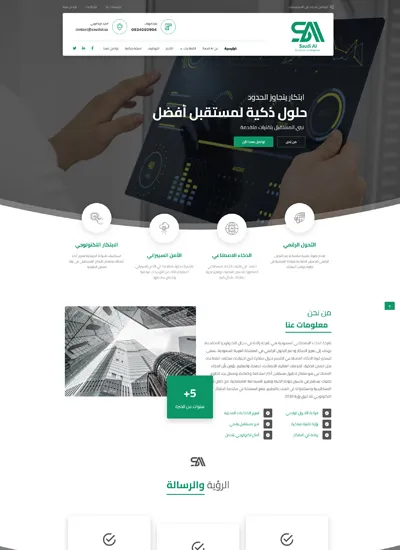
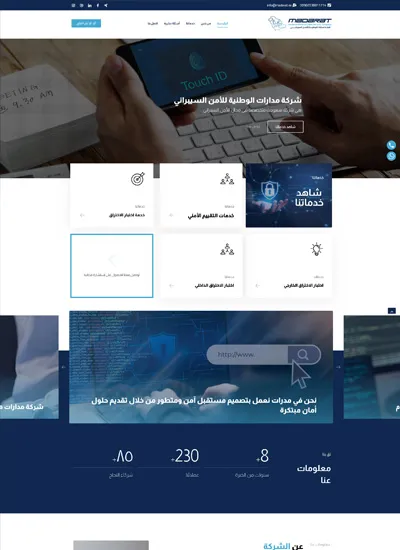
Social media management isn’t posting pictures; it’s a system: a clear strategy, a monthly plan, production in one identity, consistent publishing, fast engagement, smart ads and continuous measurement. If your accounts have stalled or look scattered, our social media management service handles all of this for you. See the Al Marsad Al Makani example on the service page, or get in touch for a free review of your current accounts.
Real projects we delivered

FAQ
What does a social media management service include?
Usually: strategy, a monthly content plan, copywriting, design and short video, scheduling and publishing, replying to comments and messages, running ads if requested, and a monthly report.
How many posts do I need a month?
It depends on the platform, goals and budget. For many service companies, 8 to 16 high-quality posts a month plus some stories and short videos are enough.
Do I need every platform?
No. Choose the platforms where your audience actually is and where you can stay consistent. Two well-managed platforms are better than five abandoned ones.
When will I see results?
The improvement in image and consistency is immediate; organic growth usually takes 3 to 6 months; ads give faster results depending on budget and targeting.
Sources

Written from 20+ years designing websites and identities for clients in Saudi Arabia and Egypt — every tip here comes from real projects.
Want this applied to your project?
Book a free consultation — we will review your site or brand and propose a clear plan.
Book a free consultation