
- Ecommerce in Saudi Arabia is governed by the E-Commerce Law and its implementing regulations.
- Display the store’s full details: name, registration or freelance document, contact methods.
- Disclose the final price, shipping costs and contract terms before payment.
- A clear returns and cancellation policy in line with the law.
- Protect customer data and comply with the Personal Data Protection Law.
Launching an online store isn’t just about design and products; regulatory compliance is part of customer trust and of protecting yourself. This is a simple guide to the basics we review with our clients before launch. Note: this article is for awareness and isn’t legal advice. Regulations are updated, so always refer to the official sources.
Registering the business
Determine the right legal form for your activity (a commercial registration, or a freelance document for some individual activities) through the Saudi Business Center, and make sure the registered activity covers online selling.
Store details on display
- The store name and the legal entity.
- The registration or document number.
- Working contact methods (phone, email, address).
- Your VAT number, if you’re registered for VAT.
Disclosure before purchase
- The essential characteristics of the product or service.
- The final price including VAT, plus shipping costs and any additional fees.
- Payment and delivery methods, and the delivery timeframe.
- Contract and warranty terms.
Invoicing
Issue the customer an invoice in line with the e-invoicing requirements of the Zakat, Tax and Customs Authority, if they apply to your business.
Returns and cancellation policy
Write a clear policy: the return period, excluded cases, who pays for shipping, and how and when refunds are made. Put it on its own page and link to it from the product page and the basket. Read our shipping and returns guide.
Data protection
Collect only what you need, use an encrypted connection, explain in your privacy policy how you use data, and comply with the Personal Data Protection Law. Read about SSL certificates.
Advertising and offers
Offers and discounts must be genuine, with a clear duration and conditions, and without misleading “before discount” prices.
Pre-launch checklist
- Registration is complete.
- An “About us” page with the store’s details.
- Pages for: terms and conditions, privacy, returns, shipping.
- Prices include VAT.
- Invoicing is ready.
- A secure HTTPS connection.
Why does compliance matter for sales?
Complying with regulations can feel like an administrative burden, but in ecommerce it’s a direct trust factor. Saudi shoppers have become more aware of their rights and look for the signs of a trustworthy store: clear details, written policies, a correct invoice and real contact channels. A store that displays these elements confidently turns its compliance into a marketing advantage, while an anonymous store that hides its details loses customers before it starts. Violations can also expose a store to penalties or suspension — a risk no business should take.
Verification and trust marks
Alongside the commercial registration or freelance document, the relevant authorities in the Kingdom offer verification services for online stores that let you display a badge or verification number. This reassures buyers that the store is a real, known entity. Check the official platforms that verify stores for the current steps and requirements, and show your verification number in the store footer and on the About page.
Protecting customer data in practice
A store collects names, mobile numbers, addresses and purchase histories — personal data subject to the Personal Data Protection Law. In practice: a clear privacy policy in plain language, collecting only what you need, not sharing data for marketing purposes without consent, securing the dashboard with two-factor authentication, secure backups, and deciding who in your team can see customer data. Never store card data; leave that to an approved payment gateway. Read data residency and protection.
Transparent offers and discounts
Advertising a discount requires the pre-discount price to be genuine, the duration and conditions of the offer to be stated clearly, and the advertised quantity to be available. In the big seasons, some types of discount may require a licence from the relevant authorities. Check the current requirements before every major campaign; misleading offers damage your reputation before they bring any accountability.
From our work
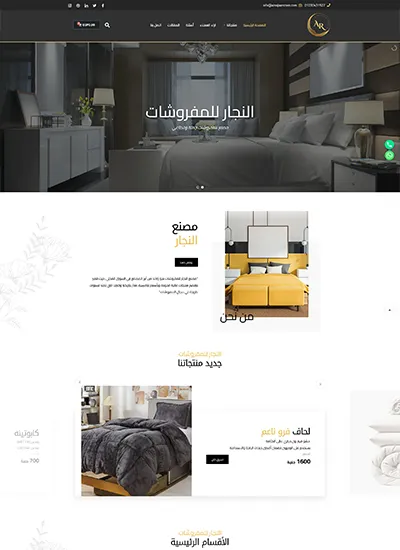
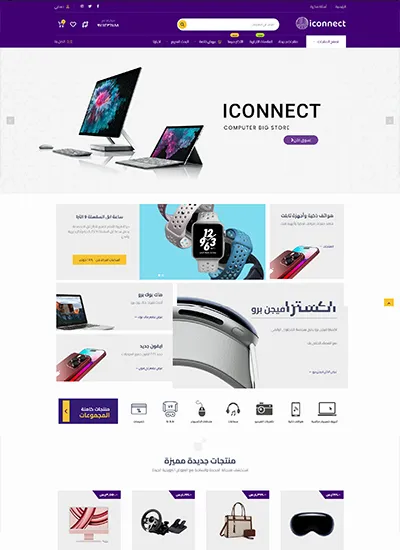
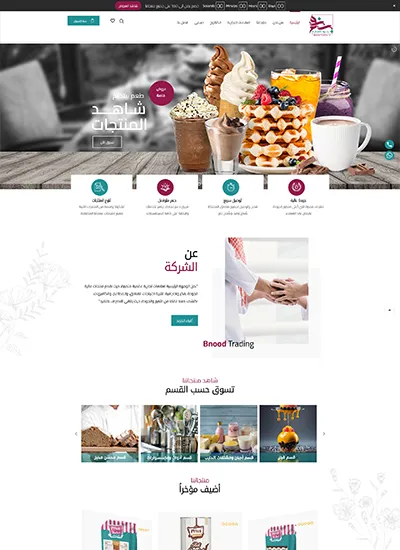
When setting up stores, we add the essential regulatory pages (About us with the store’s details, shipping, returns, privacy, terms) and link them in the footer and along the purchase path, as in the Bnood and iConnect Store stores. We always recommend reviewing regulatory content with a specialist because regulations change. Note: this article is for awareness and is no substitute for the official texts and legal advice.
Before every major campaign
Run through a quick list: is the pre-discount price genuine and recorded? Are the duration and conditions of the offer written clearly? Do you have enough stock? Does the campaign need a licence? Does the returns policy apply to discounted products as normal, or with different conditions that are clearly stated? These questions protect you from complaints in the seasons when pressure and orders are at their highest.
Handling complaints
Provide a clear complaints channel (email, WhatsApp, a form), commit to a reasonable response time, and record every complaint and its resolution. A customer whose complaint is resolved quickly and respectfully rarely goes to the authorities, and often buys again. An ignored complaint can turn into an official report or a public negative review. Read managing engagement and complaints.
Selling through social media and WhatsApp
Many stores also sell directly through Instagram and WhatsApp. The same principles apply: a clear seller identity, the all-inclusive price, a returns policy and an invoice. Don’t let selling outside the store become a grey area; link it to the store as far as possible so the order is invoiced and recorded in the system.
Selling to other countries
If you ship to the Gulf states or Egypt, remember that each country has its own consumer protection, tax and customs rules. Start by understanding the requirements of the countries you target, and tell international customers who pays customs duties, how long delivery takes and what their returns conditions are.
The regulatory pages your store should have
| Page | Essential content |
|---|---|
| About us | Entity name, registration or document, address, contact methods |
| Shipping and delivery | Cities, timeframes, costs, tracking |
| Returns and exchanges | Period, conditions, exclusions, refund method |
| Privacy | Data collected, how it’s used, customer rights |
| Terms and conditions | Rules of use and purchase |
Link these pages from the footer and the checkout page, in plain language customers can understand.
Compliance as part of your brand
The Kingdom’s big, trusted stores don’t hide their compliance; they display it: verification numbers in the footer, prominent and clear policies, well-organised tax invoices and responsive customer service. These elements are as much a part of the brand image as the logo and colours. Treat regulatory compliance as an investment in trust, and customers will reward you with repeat purchases and recommendations.
Finally, follow regulatory updates from their official sources; ecommerce is a fast-moving sector, and the requirements evolve as it grows.
Common questions from store owners
Do I need a commercial registration to sell online? It depends on the nature and size of the activity and the type of entity; there are routes for commercial businesses and others for freelancing in certain activities. Check with the official authorities to find the right route for you.
Must I accept returns on every product? The regulations set out basic consumer rights and exceptions for certain products by their nature. Write your policy clearly in line with the regulations, and show it before purchase.
Can I collect customers’ numbers to send offers? Only with clear consent and an easy way to unsubscribe, in line with the Personal Data Protection Law.
The practical summary
Clear details, written policies before purchase, a correct invoice, data protection, honest offers and a responsive complaints channel. These six elements make your store compliant and trustworthy at the same time, turning compliance from a burden into a competitive advantage over the many stores that still ignore it. Reviewing your policies with every regulatory update keeps you on safe ground.
The bottom line
Regulatory compliance protects you and reassures your customers. Get the basics ready before launch, and keep up with changes from the official sources. Also read how to start a store in Saudi Arabia.
Real projects we delivered
FAQ
Is this article legal advice?
No, it’s a simplified awareness guide. For precise, up-to-date details, refer to the official regulations and consult a legal professional.
Does selling only through Instagram require registration?
Commercial activity requires proper registration depending on its type and size; check the Saudi Business Center to find the right document for your activity.
What should a privacy policy include?
The data you collect, why you collect it, how long you keep it, who you share it with, the customer’s rights and how to contact you.
Sources

Written from 20+ years designing websites and identities for clients in Saudi Arabia and Egypt — every tip here comes from real projects.
Want this applied to your project?
Book a free consultation — we will review your site or brand and propose a clear plan.
Book a free consultation