
- SEO has three pillars: technical (the site is crawlable and fast), content (it answers search intent) and authority (links and trust signals).
- Start with a strong, dedicated page for each service, targeting a clear keyword.
- Google Search Console is your most important free tool for monitoring visibility.
- Useful, regularly updated content beats padding and volume.
- Results usually take 3 to 6 months and compound over time.
Right now, a potential customer is typing “construction company in Riyadh” or “brand identity for a start-up” into Google. If your website isn’t on the first page, as far as they’re concerned you don’t exist. SEO is the organised work that makes Google understand your website, trust it and show it.
How does Google work, in brief?
- Crawling: Google’s bots discover your pages through links and your sitemap.
- Indexing: they understand the content of each page and store it.
- Ranking: when someone searches, Google shows the most useful and trustworthy pages for that searcher’s intent.
Pillar one: technical SEO
- A fast, mobile-responsive website. Read our speed guide.
- HTTPS and clean, short URLs.
- A sitemap submitted to Search Console.
- No duplicate pages or broken links.
- Structured data (Schema) that defines your company and services. Read our structured data guide.
Pillar two: content
- Keyword research: what do your customers actually type? Read our guide to Arabic keyword research.
- A page for each service that answers all of the customer’s questions.
- A unique, persuasive title and meta description for every page.
- Well-organised H1–H3 headings.
- A blog that answers your customers’ questions and links them to your service pages — as this blog does.
- Images with descriptive file names and alt text.
Pillar three: authority and trust
- Links from trusted websites in your field (clients, partners, directories, media).
- A complete Google Business Profile with reviews. Read our local SEO guide.
- Signals of expertise: case studies, real work, clear contact details.
A 90-day plan for a company starting SEO
| Period | Work |
|---|---|
| Weeks 1–2 | Connect Search Console and Analytics, run a technical audit, fix errors |
| Weeks 3–4 | Keyword research, a map of target pages |
| Month 2 | Improve service pages, titles and descriptions, structured data |
| Month 3 | Publish 4–8 articles, set up Google Business Profile, earn the first links from partners |
Beyond Google: answer engines and AI
A growing share of questions is answered in AI summaries. The same SEO foundations, combined with direct answers and structured data, make you a source those summaries quote. Read the difference between SEO, AEO and GEO.
Common SEO mistakes on Arabic company websites
- The whole site is one long page: so there’s no dedicated page for each service that can appear in search.
- Duplicate titles: every page titled “Home – Company name”.
- Text inside images: Google doesn’t read words written inside designs the way it reads real text.
- URLs made of numbers or long encoded Arabic characters: hard to share and read.
- Copied content: from competitors or the supplier’s website.
- Neglecting mobile: Google evaluates your site primarily on its mobile version.
- A missing or weak English version: in sectors where the audience searches in English.
- Updates have stopped: the last article was years ago.
SEO for the Saudi market specifically
Saudi searchers use a mix of Modern Standard Arabic, colloquial Arabic and English: “تصميم مواقع الرياض”, “شركة تصميم مواقع”, “web design Riyadh”, and sometimes Gulf-specific words. So research the different ways people phrase your services and cover them naturally across your pages and articles. Mention the cities you serve in your content where it makes sense, and create a complete Google Business Profile. Content about the local market (Saudi regulations, Vision 2030, local payment methods) attracts a more precise audience than generic translated content. Read Arabic keyword research and local SEO.
How long does SEO take to show results?
SEO is a cumulative investment, not a quick campaign. Technical fixes can show results within weeks, new content usually needs three to six months to build a stable ranking, and competitive keywords may take longer. That’s why many companies combine SEO for the long term with paid ads for quick results at the start. The good news is that once SEO traffic is built, it continues without you paying for every click. Read Google Ads.
How do you track your progress?
Connect your website to Google Search Console and review it monthly: how often did your site appear in search? Which queries did it appear for? Which pages attract clicks? Are there indexing errors? Then connect it to Google Analytics to see what visitors arriving from search do: do they get in touch? Do they buy? Read our GA4 guide.
The role of local content and genuine expertise
Search engines have become better at distinguishing content written from real experience from generic, reworded content. So the strongest content for your company is what your competitor can’t copy: case studies from your projects, your customers’ real questions and their answers, figures and experience from your market, and the views of your specialist team. Name the author and their expertise, add real photographs from your work, and update content when the information changes. These signals build what Google calls experience, expertise and trustworthiness, and make your content a candidate for quotation by answer engines as well.
Internal links: a neglected strength
Links between your own pages help Google understand which pages matter most and how they relate, and help visitors move on to the next piece of information. Link every article to its related service page and to other relevant articles, and make sure your most important pages receive links from many others. Write link text that describes the target page rather than “click here”. This is what we do across this blog, where every article links to a service and to related articles and projects.
Old content: update it rather than ignore it
An article you wrote two years ago that still brings in traffic may be a golden opportunity: update its information, add new sections, improve its title and link it to your newer content. Updating existing content often has a faster effect than writing something new, because the page already has history and links. Review your most-visited articles every six months.
Technical SEO: a quick checklist
- The site runs on HTTPS and every version redirects to a single one.
- An XML sitemap submitted to Search Console.
- A robots.txt file that doesn’t block important pages.
- Every page has a unique title and description.
- One clear H1 heading per page.
- Compressed images with alt text.
- No broken links and few error pages.
- Good speed on mobile.
- Valid structured data.
- hreflang tags for bilingual websites.
This list isn’t the whole of technical SEO, but it covers the most common mistakes we find when reviewing company websites. Read our structured data guide and website speed.
SEO and visual content
Images and videos appear in search results too. Give every image a descriptive file name and alt text that describes its content, use original images from your own work rather than stock photos repeated across thousands of sites, and upload important videos to YouTube and embed them in your pages. Original visual content attracts extra traffic from image and video search, and keeps visitors on the page for longer.
More important than any tool or technique: write for your customer first, answer their questions honestly and clearly, and then make sure search engines can read and understand what you’ve written. Good SEO isn’t about tricking algorithms; it’s about translating real value into a language they understand. Start with the ninety-day plan, review your results every month, and adjust based on what you see in Search Console rather than guesswork. SEO is a marathon, not a sprint.
The bottom line
SEO is a cumulative investment: every good page, useful article and trusted link adds to what came before. Start with the technical foundation and your service pages, then publish content regularly. Book a consultation and we’ll review your website.
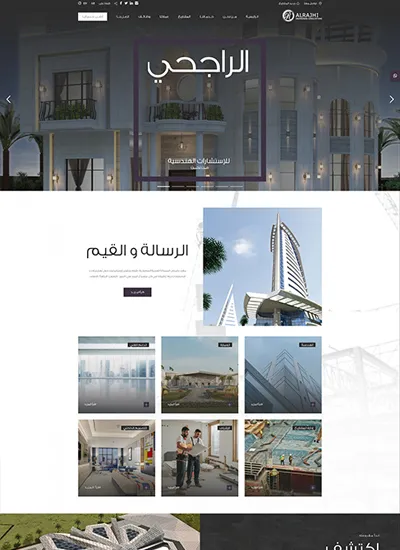
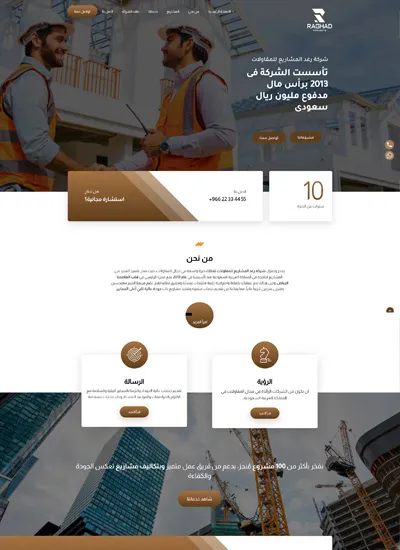
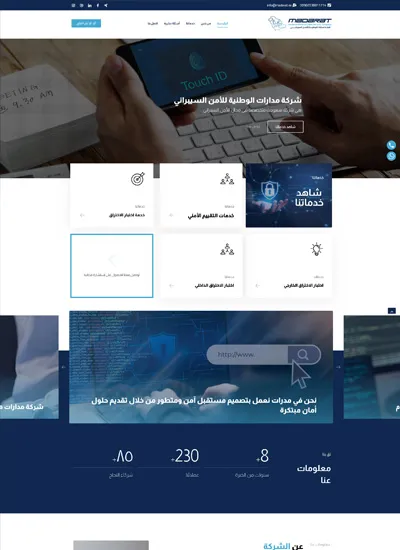
Real projects we delivered
FAQ
How long does it take for a website to reach the first page?
It depends on competition, the age of the site and the quality of the content; less competitive local keywords can appear within weeks, while competitive ones need months of consistent work.
Can first place be guaranteed?
No. Google itself warns against anyone who guarantees a number-one ranking. You can guarantee doing the work properly, not the ranking.
Do ads help SEO?
Paid ads don’t directly affect organic rankings, but they bring immediate traffic while your SEO grows.
Sources

Written from 20+ years designing websites and identities for clients in Saudi Arabia and Egypt — every tip here comes from real projects.
Want this applied to your project?
Book a free consultation — we will review your site or brand and propose a clear plan.
Book a free consultation