
- Sixty days is a realistic timeframe for launching a complete digital presence if decisions are quick.
- Identity first, because everything else is built on it.
- Content (copy and photos) is prepared in parallel from week two.
- Launch with the essentials, then add the blog and campaigns after launch.
- Measuring from day one makes post-launch decisions sharper.
The first weeks of any start-up are packed: licences, a team, the first customers. Amid all that, the digital presence gets postponed or rushed, and the company launches with a temporary logo and an Instagram page. This plan helps you launch with a professional image within 60 days without draining your time.
Before you start: three decisions
- Name and domain: make sure the domain and social handles are available under the same name.
- Your first audience: who are the first 100 customers you’re targeting?
- The decision-maker: one person who approves reviews.
Week 1: discovery
- A session to understand the business, its values and competitors.
- Reserving the domain and account handles.
- What you need to provide: a description of your services, examples you like, a list of competitors.
Weeks 2–3: visual identity
- Several logo concepts, then approving a direction and developing it.
- Colours, typefaces and elements.
- In parallel: writing the website content and gathering photos. Read writing website content.
Week 4: email and the essentials
- Setting up official email and a consistent signature.
- Business cards and letterheads.
- Google Business Profile.
Weeks 5–7: the website
- Designing the home page and a sample inner page for review.
- Development in Arabic and English, connecting WhatsApp and forms.
- Basic SEO and measurement. Read our GA4 guide.
Week 8: profile, social media and launch
- A short digital company profile.
- Post templates and account covers.
- Final testing, launch, and announcing it to customers and your network.
The complete timetable
| Week | Main deliverable | Your role |
|---|---|---|
| 1 | Discovery document + domain | Information and decisions |
| 2–3 | Visual identity | Review and approval + content |
| 4 | Email, stationery and Google listing | Contact details |
| 5–7 | Website | Reviewing the pages |
| 8 | Profile, social media and launch | Final approval |
After launch: the first 90 days
- Regular posting on one or two accounts.
- A first case study from an early customer.
- Articles answering customers’ questions.
- A monthly review of the numbers.
What do you need ready before day one?
For the plan really to run in sixty days, prepare before you start: the final company name in Arabic and English, the commercial registration or core documents, the domain registered in the company’s name (or the proposed name to register), a list of services with a short description of each, any real photos you have (team, office, work), the names of three competitors and three brands you admire, and one person authorised to approve. These simple inputs save at least two weeks of waiting.
Content: the element that delays everyone
In most projects, design and development run on schedule, and content is what falls behind. The fix is to start content in week one, in parallel with the identity: an interview of an hour or two with the founder, from which we draw out the company’s story, strengths and services; then the content team writes the copy and the founder reviews it. This is faster and better than waiting for the owner to write the copy in spare time that never comes. Read writing website content.
Start-ups and budget
A start-up needs to look professional without spending its operating budget on its digital presence. So in the sixty days we focus on the foundation it can’t do without: a polished identity, a clear website with a few strong pages, verified official email, a short profile, and two social accounts set up with templates. The blog, the English version, extra pages and advertising come in the following months as the business grows. This phased approach protects cash flow and guarantees the quality of what launches.
The launch: don’t launch in silence
A launch is a communication opportunity: a personal message to the founders’ network, a LinkedIn post from the founder’s account and the company page telling the story of how it began, an announcement to early customers and partners, and perhaps a limited launch offer. Start-ups sell first to their own network, so make sure that network knows you’ve started, and with what professional presence. Read LinkedIn for companies.
Start-ups’ digital presence mistakes
- A rushed logo from a cheap design platform, rebuilt a year later.
- A huge website with empty “coming soon” pages.
- Registering the domain and accounts in personal names.
- Opening accounts on every platform, then abandoning them.
- Putting official email off “until later”.
- Launching without measurement, so you don’t know what worked.
After the sixty days
After launch, the growth phase begins: regular content that builds search visibility, case studies from your first customers, page improvements based on data, the English version if you need it, and well-planned ad campaigns. The solid foundation you built in sixty days is what makes every later step faster and cheaper. Read the digital presence launch checklist.
From our work
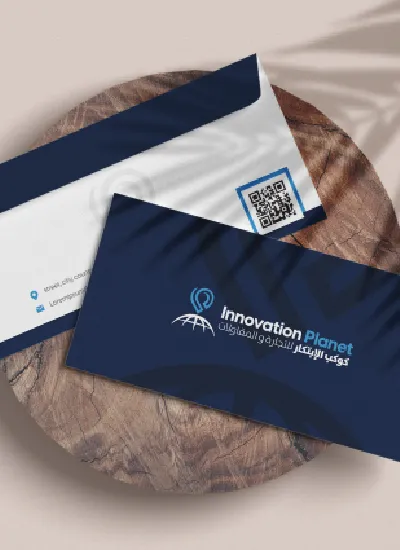
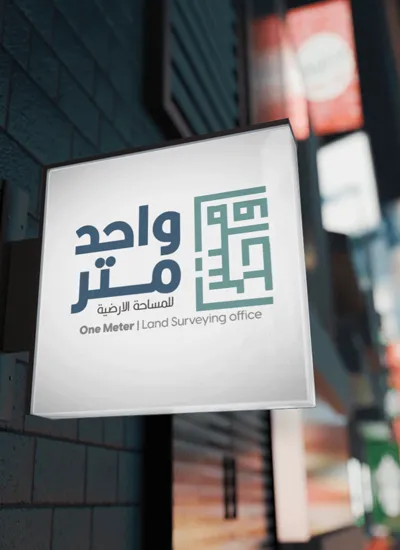
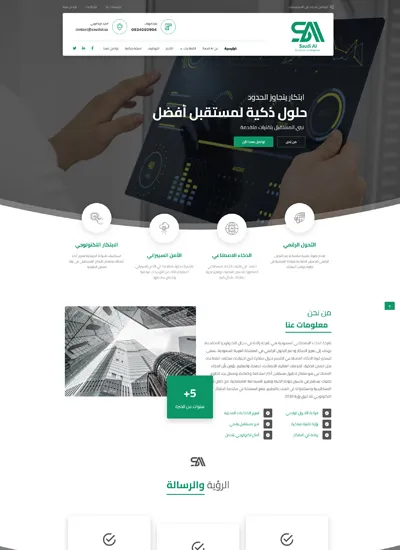
We’ve delivered identities and websites for companies at their beginnings and others in their expansion phase, including Saudi AI, Maad Al Jazeera and GRC Solutions. We offer this plan as part of the complete digital identity service.
How do you follow the project during the sixty days?
A short weekly meeting to review what’s been done and what’s needed, a shared task board showing the status of each element (identity, content, website, email, profile, social media), and a set approval date for each stage. This simple rhythm prevents the silent delays that turn sixty days into six months.
Questions founders ask
Are sixty days really realistic? Yes, if the inputs are ready and decisions are quick. Most project delays come from waiting for content and approvals, not from the work itself.
Can we launch in Arabic first? Yes, and English can be added a few weeks later if your main audience is Arabic-speaking.
What if the company name or services change during the project? That affects the timetable, so settle the core decisions before you start.
Do I need a store from the start? If online selling is your business model, yes; otherwise start with a brochure website and add the store when needed. Read launching an online store.
The sixty-day budget
The plan’s budget depends on scope: the number of website pages, languages, the depth of the identity, the size of the profile, and the number of social platforms. Ask for a detailed quote for each element, and decide what goes into the launch and what waits for the next phase. Most importantly, weigh the investment against what it delivers: one or two extra clients in the first year usually cover the cost for service companies. Read the cost and return of a digital identity.
Our experience with start-ups
We’ve worked with start-ups in Saudi Arabia from idea to launch: identity, a bilingual website, official email, a profile and ready-made accounts. What the projects that kept to schedule had in common was clear decision-making and inputs ready from the start. Sixty days isn’t a race but an organised plan that prevents fragmentation and makes sure each element is built at the right time and supports the others. Start with the three decisions, prepare the inputs, and keep to the weekly rhythm.
The plan for an established company
If your company is already trading and has an older presence, the same plan works with adjustments: week one starts with an inventory of what exists (what to keep and what to replace), the website and email migration is planned without downtime, and old SEO links are preserved with redirects. Read migrating your website without downtime.
A word for founders
Your time as a founder is too valuable to spend coordinating four suppliers and chasing files. A sixty-day plan with one team gives you a complete professional presence with the least possible demand on your time, so you can focus on what nobody else can do: building relationships, sales and the product. What you build in these two months becomes the foundation for every marketing step that follows — and after the sixty days, the real work begins: growth.
The bottom line
Launching professionally isn’t a luxury for a start-up; it’s a shortcut to trust. A clear plan and a single decision-maker make 60 days enough. Explore the complete digital identity or read the launch checklist.
Real projects we delivered
FAQ
Can we launch faster than 60 days?
Yes, with a smaller scope (a basic identity and a website of a few pages), but excessive speed usually means fewer reviews and lower quality.
What usually delays a launch?
Late logo approval, late content and photos, and too many reviewers.
Do I need every component at launch?
The essentials: identity, website, email, Google listing and one or two social accounts. The rest can be added later.

Written from 20+ years designing websites and identities for clients in Saudi Arabia and Egypt — every tip here comes from real projects.
Want this applied to your project?
Book a free consultation — we will review your site or brand and propose a clear plan.
Book a free consultation